The Mirror and the Mask
Beauty has always been theater—sometimes revelation, sometimes disguise. Today, in a culture dominated by filters and fillers, the stage has grown more complex. For this feature, Sublime Avenue sat down with Eka, a nurse practitioner specializing in Botox injections, and Belicia, a dancer with a psychology background, on a sunlit patio over coffee.
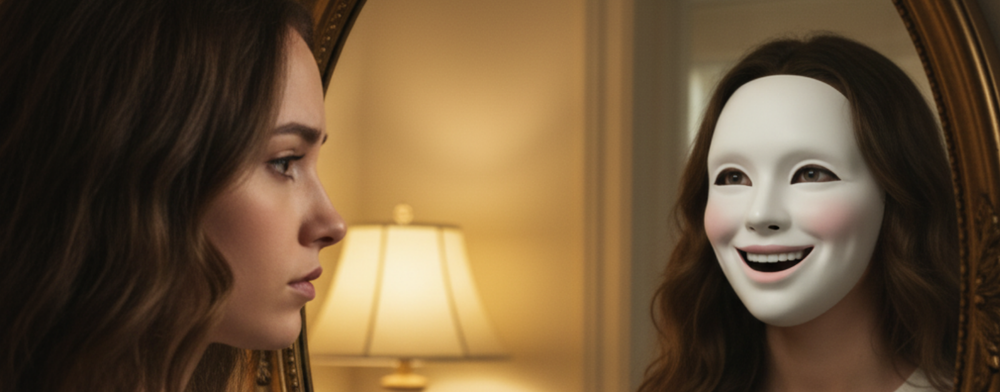
The conversation pulled back the curtain on this interplay of psychology, mental health, and aesthetics. What emerged was not a sermon against vanity, but an examination of the mirror and the mask—how appearance can both reveal and conceal the self.
Belicia spoke of makeup not as decoration but as survival.
Facing down mirrors in a studio can be brutal, especially when weighed down by what she called “depression goggles.” A touch of foundation or liner before rehearsal wasn’t for the audience. It was for herself—to feel resilient, capable, whole. In her view, beauty rituals become psychological tools, transforming not just how others see us, but how we see ourselves.

A touch of foundation or liner before rehearsal wasn’t for the audience.
Stories followed of clients whose lives shifted on the smallest of changes. A woman whose lips naturally curved downward lived for decades misunderstood as unfriendly. A subtle lift of Botox and filler later, her warmth was visible to the world—and her life transformed.
Belicia echoed this in her own way, describing how makeup gave her the courage to face herself in moments of self-doubt. Confidence often arrives not from within, but from the alignment of inner reality with outer appearance.
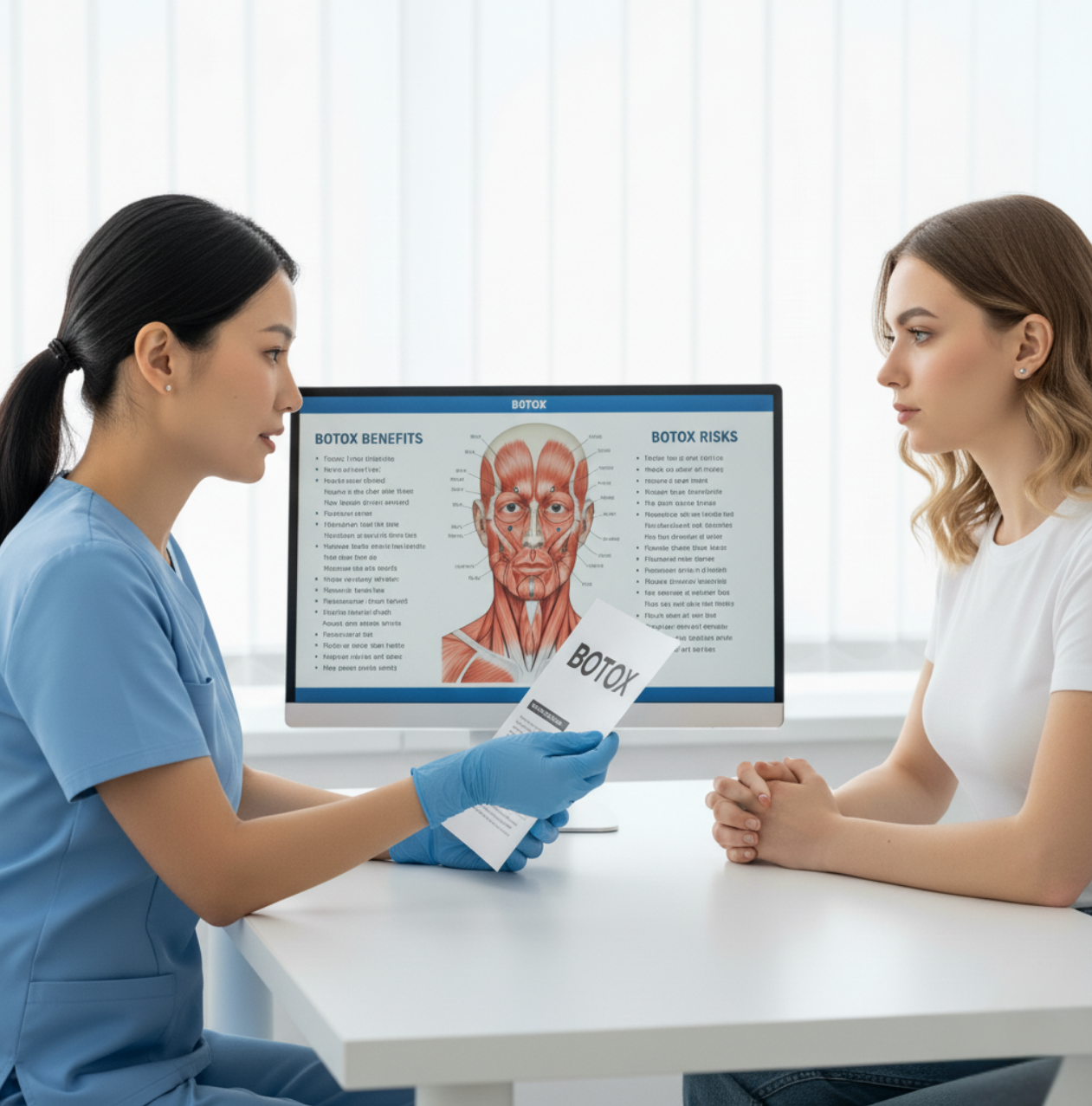
As the conversation unfolded, Eka offered her perspective on Botox—a word that still sends ripples through cultural conversation. Born from one of nature’s deadliest toxins, Botox has been rehabilitated into both medicine and beauty. For Eka, it’s not about freezing age; it’s about correcting perception. A furrowed brow can make someone look angry when they are not, downturned lips can project sadness in the face of joy. With precision, Botox erases the mask and allows the inner truth to surface. In that light, the toxin becomes a strange kind of liberator.
It’s not about freezing age; it’s about correcting perception
The Social Media Distortion
But there is a darker stage: Instagram, TikTok, and the algorithmic funhouse mirrors of modern life. Here, symmetry is exaggerated, youth is endlessly prolonged, and flaws are airbrushed out of existence. For young women especially, these illusions become tyrannical benchmarks. No amount of eyeliner or Botox can compete with software that manufactures perfection. The result: spiraling anxiety, depression, and in the worst cases, despair. Beauty has always carried weight; now, supercharged by social media, it can crush.

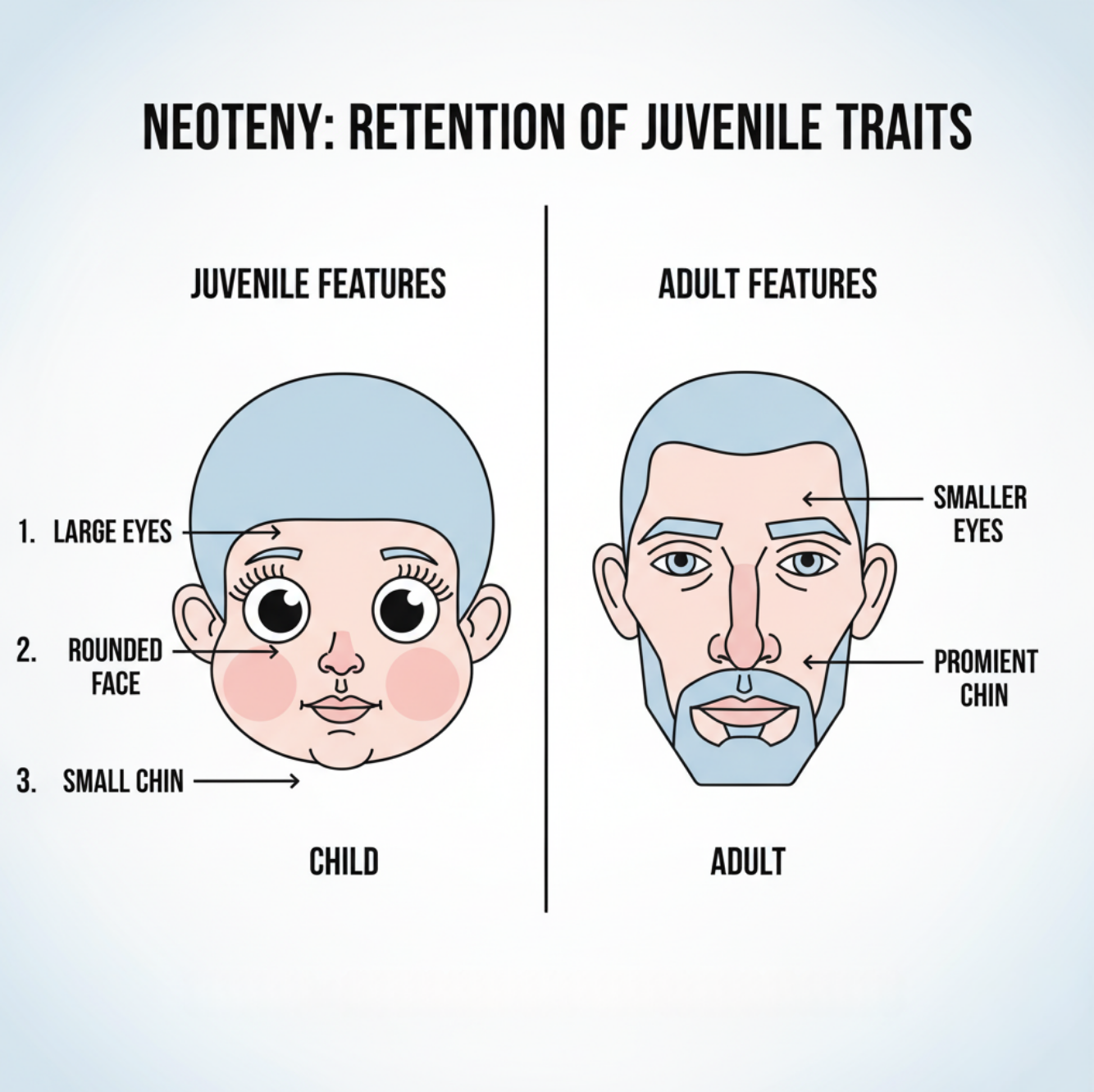
Psychology offers clues to beauty’s universals: symmetry that signals health, neoteny that awakens tenderness, uniqueness that startles the eye. Yet the conversation underscored that beauty is never just math. It is cultural, emotional, psychological. A unique feature once branded a flaw can, in the right light, become a signature. The mask we wear can sometimes be the mirror that reveals us.
No amount of eyeliner or Botox can compete with software that manufactures perfection.
A Final Reflection
The Mirror and the Mask is not a simple tale of vanity or empowerment. It is both. Botox and blush, filters and foundations—all are tools. They can deceive, but they can also heal. The danger lies not in the tools themselves, but in their balance. When they serve as armor against self-loathing, they empower. When they chase an impossible standard, they consume.
In the end, beauty’s greatest role may be as translator: a way of making the self legible to the world. A mask, yes—but also a mirror. And sometimes, if we are lucky, the two become one.
In the spirit of Sublime Avenue, let us not abandon the rituals of beauty, nor worship them blindly, but use them with intention. A swipe of lipstick can be an act of defiance against doubt, not a performance for the crowd. Botox, when chosen, need not be about chasing youth—it can correct the little lies your face sometimes tells on your behalf.
And remember: social media is not a mirror but a masquerade. The reflection that matters is the one that allows you to walk into the world feeling legible, luminous, and wholly yourself. Beauty is both the mask and the mirror; the art lies in knowing when to take it off and when to let it shine.