Phoenix Rising: Charleston Pierce
From the Toxic Ashes of Bayview-Hunters Point to the Timeless Flame of Bay Area Fashion.
By Ava Reid for Sublime Avenue Magazine
Like the mythical phoenix that emerges renewed from its own ashes, Charleston Pierce was born in San Francisco and raised in the Bayview-Hunters Point area, right alongside the former Hunters Point Naval Shipyard — a massive Superfund site that has profoundly shaped our community for generations. This sprawling industrial relic, operational from the 1940s through the 1970s, left behind a devastating legacy of radioactive materials (including plutonium, cesium, and strontium) as well as heavy metals, PCBs, fuels, and other toxic chemicals that contaminated the soil, groundwater, surface water, and Bay sediments.
The entire neighborhood has long borne the burden of this pollution, with dust, seepage, and airborne toxins creating ongoing health risks. Charleston’s own father worked at the shipyard, like countless other families whose loved ones toiled amid these unseen hazards — contributing to the deep-rooted, intergenerational health challenges we’ve faced, including alarmingly elevated rates of asthma, cancer, respiratory illnesses, and other conditions that disproportionately affect our low-income, historically Black community.
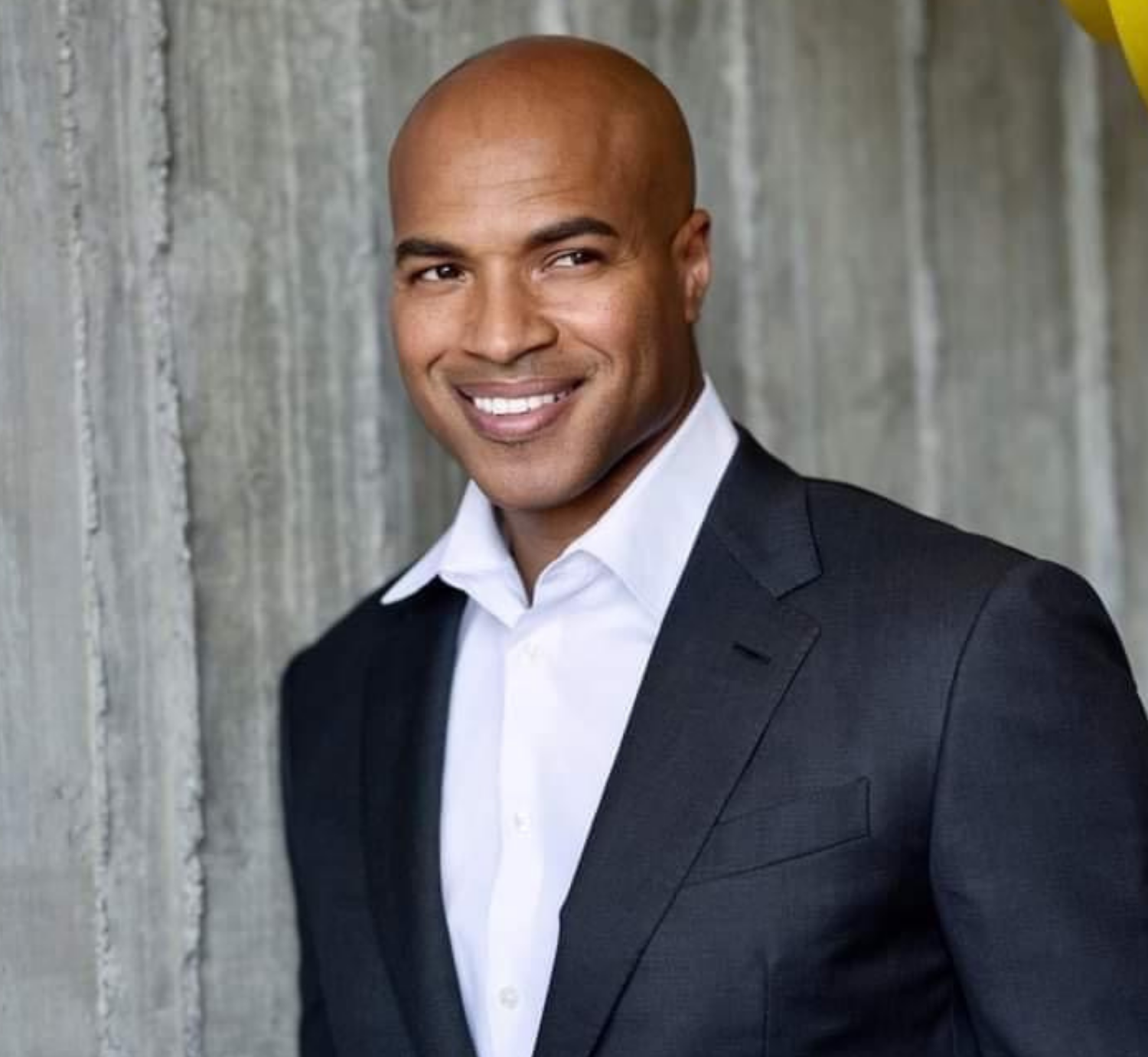
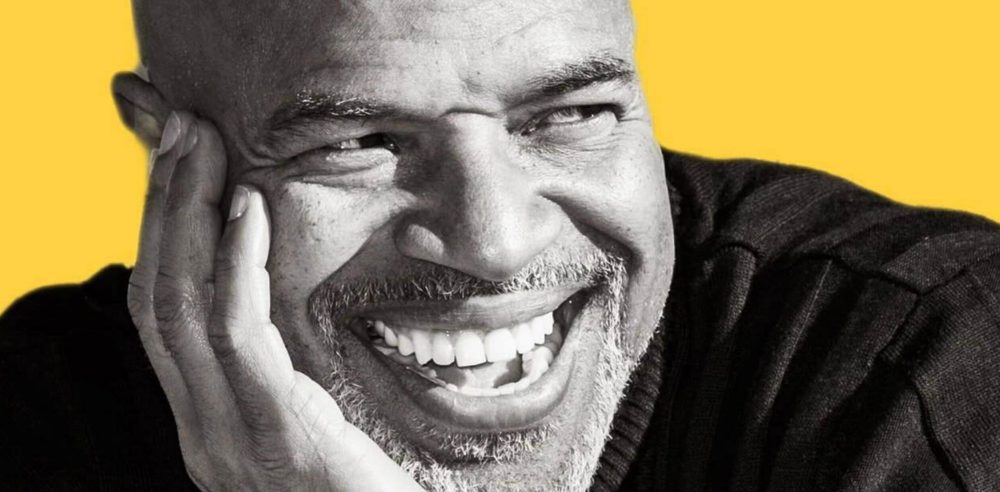
Yet from these humble and challenging beginnings — rising resiliently from the very “ashes” of environmental hardship — Charleston Pierce emerged as a towering figure in the Bay Area fashion world. A native son whose boundless energy, keen eye, and unwavering commitment to mentorship have left an indelible mark on San Francisco’s style scene for decades, he embodies the phoenix’s spirit: transformation, rebirth, and enduring fire.
Here are evocative images symbolizing rebirth and the phoenix rising from flames, mirroring Charleston’s journey of overcoming adversity to shine brightly:
Charleston’s performing arts journey began at the San Francisco School of the Arts (SOTA), where the legendary Debbie Allen noticed his potential and scouted him early on, sparking his path in the industry. Before being signed to an agency or meeting producer/director Larry Hashbarger of Macy’s Passport Fashion Show, he drew guidance from fashion mentors Farah Dews and Ronnie Reddick, who helped shape his early skills and confidence in the world of style and performance.
Primed and ready, Charleston was soon signed by the Bay Area’s premier modeling agency at the time: Grimme Agency, founded by the legendary talent scout Jimmy Grimme. It was under Grimme’s guidance that he launched his modeling career in the late 1980s, stepping onto runways and sharing the spotlight with supermodel icons like Tyra Banks, Christy Turlington, Cindy Crawford, Veronica Webb, and others.
His commanding presence and versatility quickly took him beyond the catwalk. Charleston has appeared in national billboards, print ads, over 30 commercials, fashion shows, and films — including screen time alongside Eddie Murphy. He even starred as the first Pepsi Man superhero in a major Japanese commercial campaign.
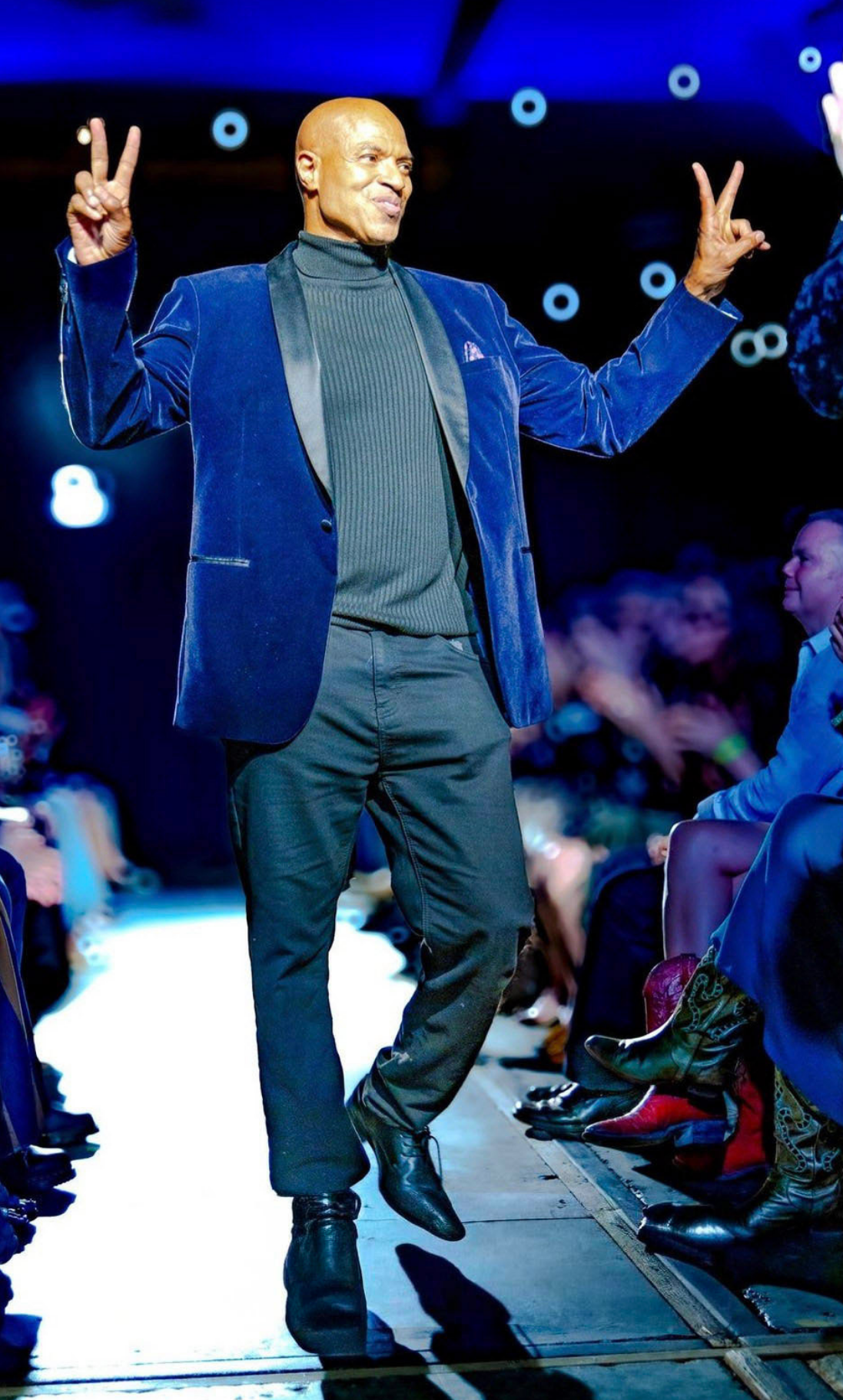
These striking portraits and dynamic shots capture Charleston’s timeless style, runway charisma, and the fiery confidence that has defined his enduring presence:
During his long tenure as a top model for Macy’s Passport — the iconic HIV/AIDS fundraiser event founded with support from Dame Elizabeth Taylor — Charleston earned high praise; Taylor herself expressed that he was her favorite model, a testament to his standout grace and impact on the runway.
But like his first modeling agent Jimmy Grimme — who put San Francisco modeling on the map with his sharp observational skills, flair for teaching the perfect walk, and dedication to guiding young talent — Charleston transitioned from star model to behind-the-scenes powerhouse. He became a creative director, fashion show producer, choreographer, runway trainer, modeling coach, and advocate for the local scene.
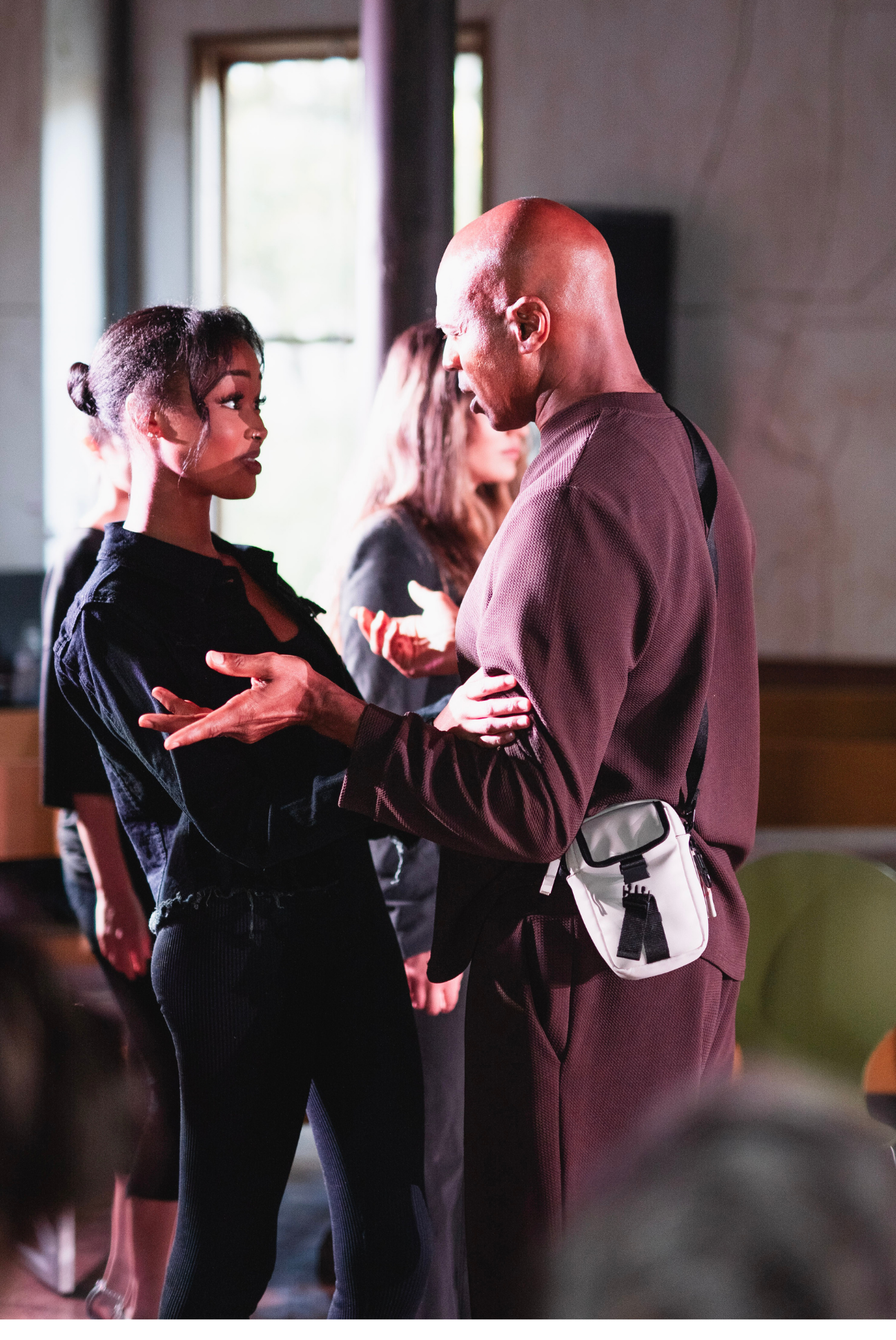
In 2007, he founded Charleston Pierce Presents, a platform for producing fashion shows, events, music, and entertainment that spotlight local designers, non-profits, and emerging talent — breathing new life into the scene much like a phoenix reignites the flames. He served as lead runway coach for Macy’s Passport from 2005–2009, trained models for the San Francisco Junior League’s annual fundraiser (echoing Grimme’s decades-long volunteer work with the same organization), and has mentored countless aspiring models, pageant contestants, dancers, singers, and youth — often from challenging backgrounds — through weekly workshops emphasizing confidence, poise, and authenticity.
While Grimme was famously known for his drill-sergeant precision — barking orders for perfect posture and flawless execution — Charleston brings a gentler, yet deeply engaging approach to mentorship. He strikes a beautiful balance: firm in demanding discipline, grace, preparation, attention to detail, and attitude on the runway, but always supportive, uplifting, and encouraging. His philosophy, captured in his mantra “Everyone’s a Star” and his book Star Walk: Embrace Your Inner Power and Find Success on the Runway of Life, focuses on building self-confidence, accentuating strengths, and helping talent discover their authentic power.
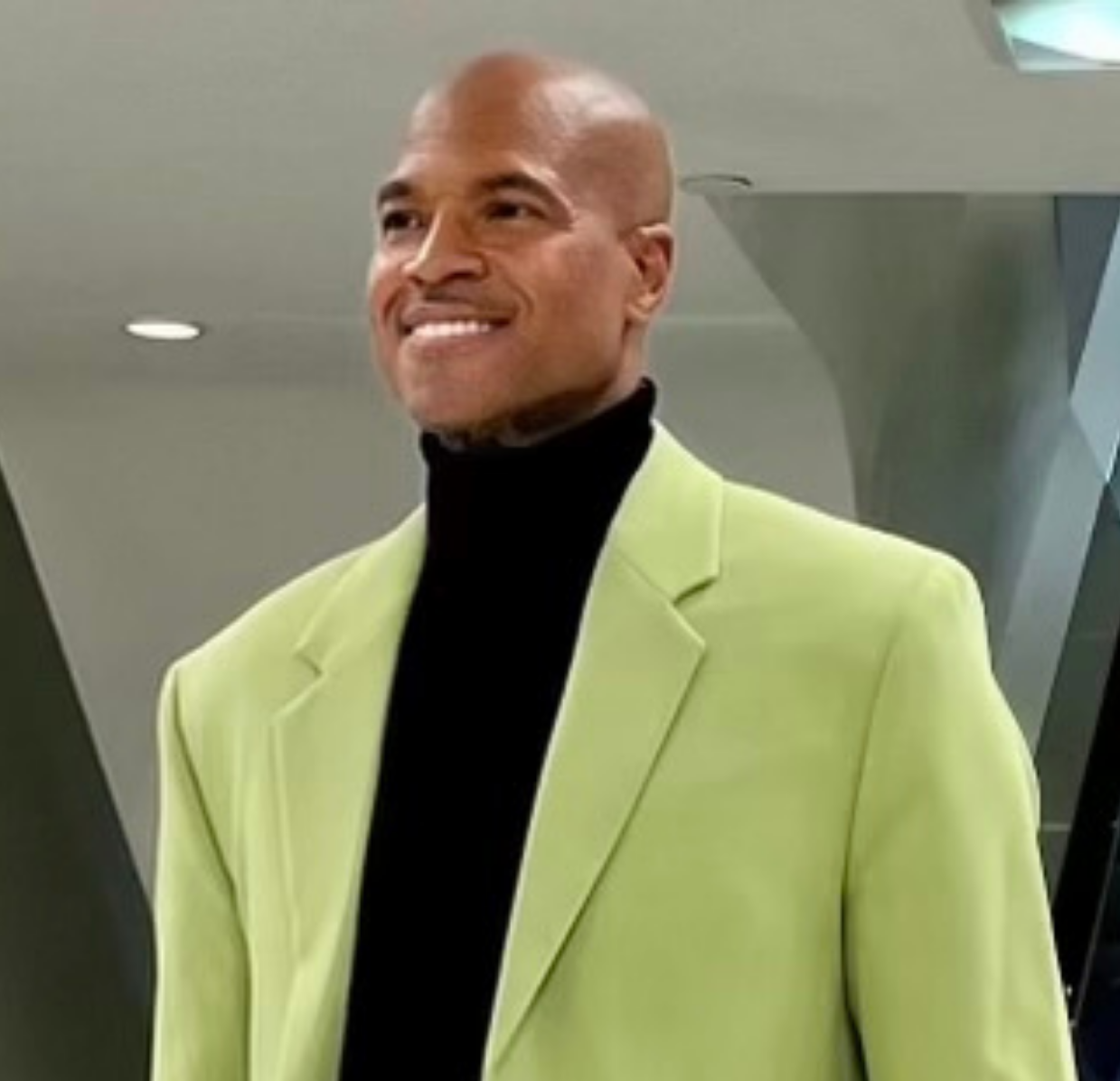
He creates safe, fun environments where participants feel comfortable and inspired, blending honest feedback with genuine warmth to help them shine both on the runway and in life.
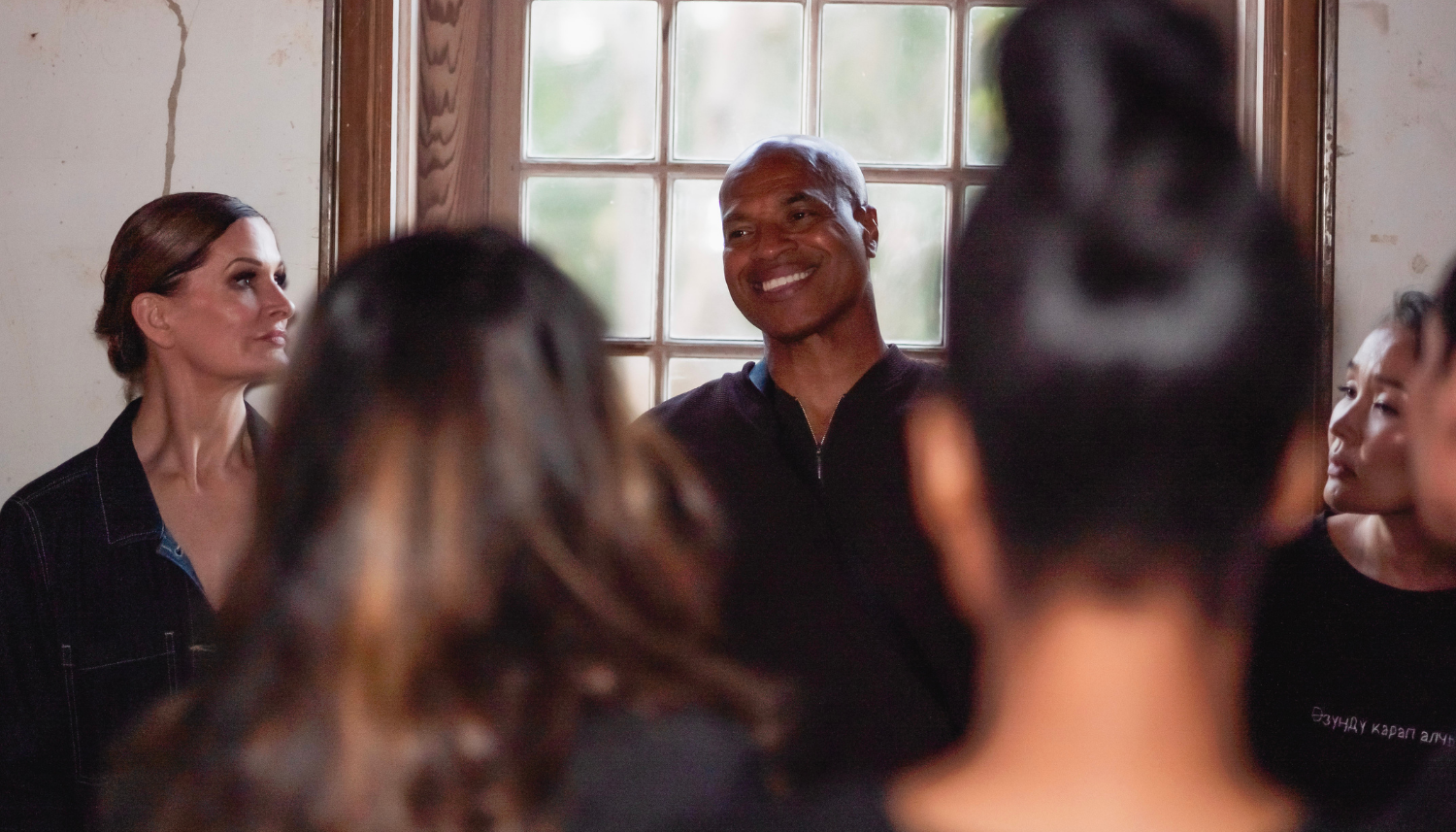
Glimpses of the Bayview-Hunters Point neighborhood that forged his resilience, alongside Charleston in action as a coach and producer, showcasing his approachable, motivational style:
Over 30+ years, Charleston has earned accolades including “Creative Director of the Year” from the San Francisco Fashion Awards, “Best Fashion Show Producer” from the Bay Area Fashion Awards, and multiple Certificates of Honor from city supervisors. More importantly, he’s become a community giant — a mentor whose presence looms large, inspiring generations to strut with confidence and embrace their roots.
In a city that embraces its own, Charleston Pierce proves that true style comes from rising renewed from adversity, lifting others up with empathy and engagement, and keeping that San Francisco fire burning bright. The Bay Area’s fashion conscience endures — a phoenix in full flight, still coaching, producing, and proving that everyone can rise and shine.
The Hollywood Detour
The man sitting across from me in a Mode of One suit—tailored, confident, radiating an almost ecclesiastical calm—is telling me about the time he didn't think he'd make it past eighteen. We're in a San Francisco studio on a Tuesday afternoon, and Charleston Pierce is doing what he does best: bearing witness to his own unlikely survival.
His path to fashion wasn't linear. In his twenties, Pierce moved to Los Angeles, seduced by the same dreams that lure thousands to that city every year. What he found was both opportunity and temptation in quantities that would test anyone's resolve.
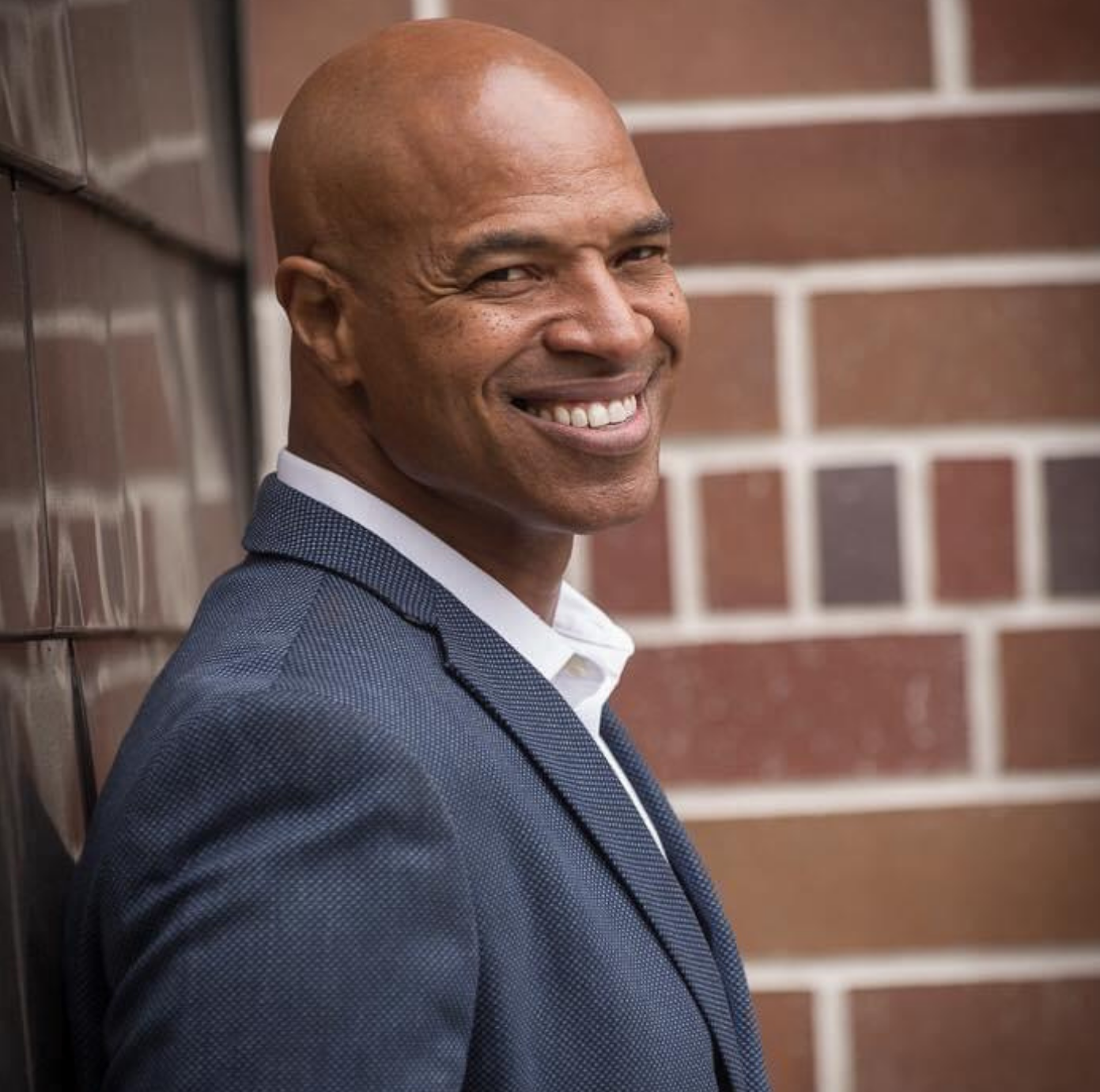
"When I moved to LA, I was like, 'I'm in LA, Hollywood, movie stars, celebrities, going to all these parties,'" Pierce remembers. "I was like, 'Oh my God, what do I do now?'"
The party life is stealing from your future, every night lost to excess is a night you can't get back.
He got through it—"I made it through all that"—but not without cost. "I had to come to a point in my life that I'm like, 'If I keep going down this path, I'm not going to be here. I'm not going to live long.' And I made it this far because I said, 'I don't want to go through that door. I can't hang out with those people anymore.'"
The turning point was both spiritual and practical. Pierce realized that the party life was stealing from his future, that every night lost to excess was a night he couldn't get back.
Still, Los Angeles gave him something invaluable: his Screen Actors Guild card and a role in "Metro," opposite Eddie Murphy. The film industry taught him about discipline, about hurrying up and waiting, about being ready for your moment when it finally arrives. "You have to go through the process," he explains. "Hollywood is like this: we're not going to just take somebody off the streets. We want to make sure that you are qualified and that you can deal with the pressure."
The Discovery
The story of how Charleston Pierce was discovered could only happen in a movie—or in real life, which is sometimes stranger. He was working at the San Francisco Bay Club when Larry Hashbarger spotted him. Hashbarger didn't approach Pierce directly; instead, he spoke to a mutual acquaintance, a woman named Rhonda who worked in aerobics instruction.
"She said to me, 'Hey, this guy who's a big producer saw you. He thinks that you could be a great model,'" Pierce recalls. The irony? He'd been rejected by San Francisco's top male modeling agency just weeks before. "They said, 'Thank you, but no, thank you.'"
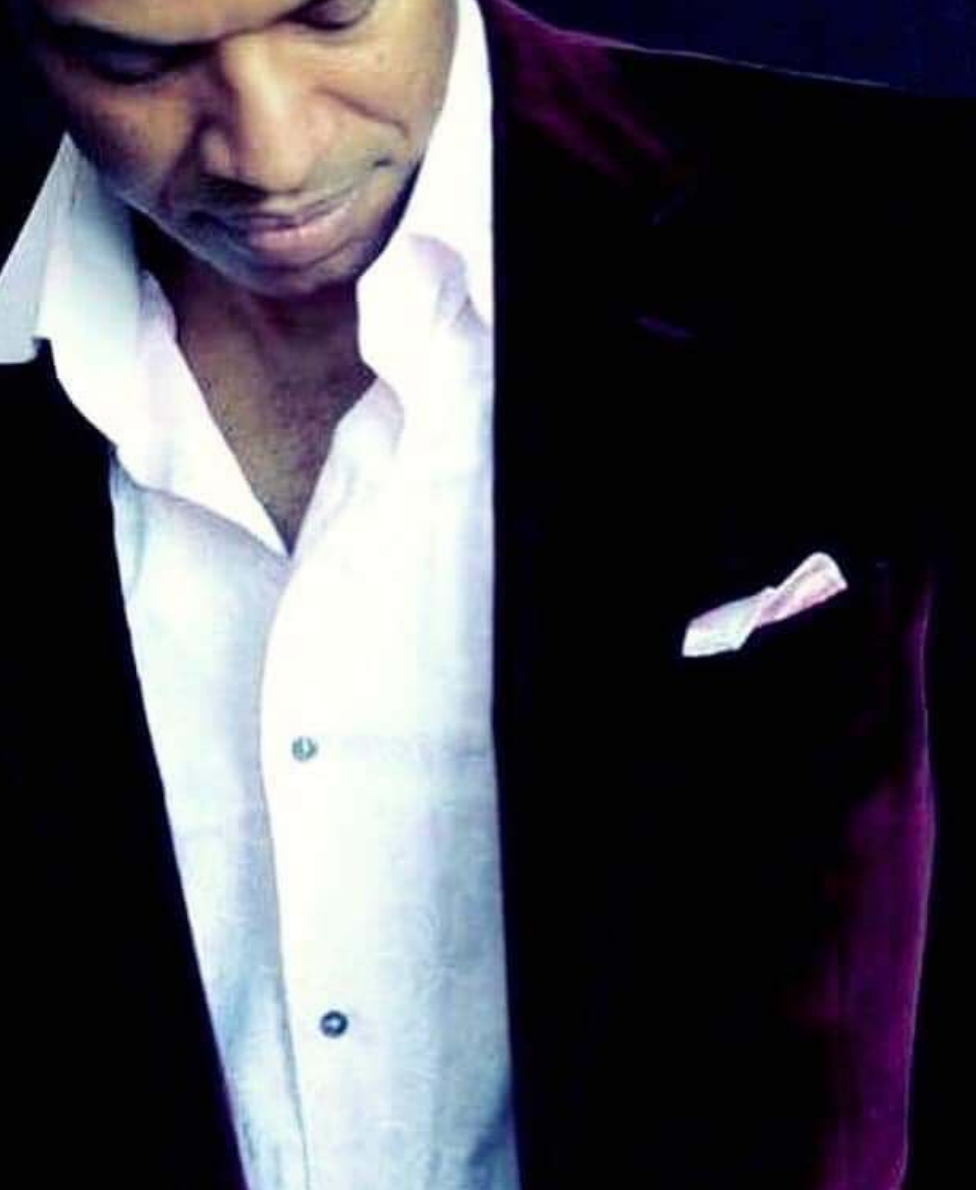
But when Hashbarger called Jimmy Grimme, who ran that same agency, everything changed. "Jimmy Grimme was like, 'Yeah, we'll take him,'" Pierce remembers with a laugh that contains no bitterness. "Prior, Jimmy Grimme said no to me twice because he felt loyal to the talent he had. And then the fact that Macy's—that Larry worked for Macy's, that Macy's, the client that he makes money from—called him, he was like, 'Hell yeah, I'll take this guy.'"
The lesson stayed with Pierce: talent matters, but so does who believes in you. And sometimes belief comes from unexpected places.
The Philosophy of The Runway
Over forty years—"not aging myself," he adds with a self-deprecating grin—Pierce has developed a philosophy of modeling that transcends the superficial. For him, the runway is a form of ministry, a place where confidence and authenticity can transform not just fabric into fashion, but people into their best selves.
"Your job as a model is to sell that look and make it, make people want to buy it," he explains. "The way you walk, the way you pose, the way you embrace it, the way you embrace the moment with the garment and bringing it to life and having fun. But telling the story that makes sense. Even if it's just a casual walk, giving somebody a visual like, you know what? I could see myself wearing that."
Your job as a model is to sell that look, make people want to buy it.
This understanding—that modeling is ultimately about storytelling and connection—is what has kept Pierce relevant in an industry notorious for its short attention span and ruthless ageism. While his contemporaries have long since retired, Pierce walked runways in New York last year and continues to book shows internationally.
His secret? "There is no perfect age in fashion anymore," he insists. "Morgan Freeman, I think, is 88 years old. Samuel Jackson is 80 years old. They're on TV every day, doing all these commercials. Why? Because they're brilliant. America does not put you out unless you are marketable and that you can execute."
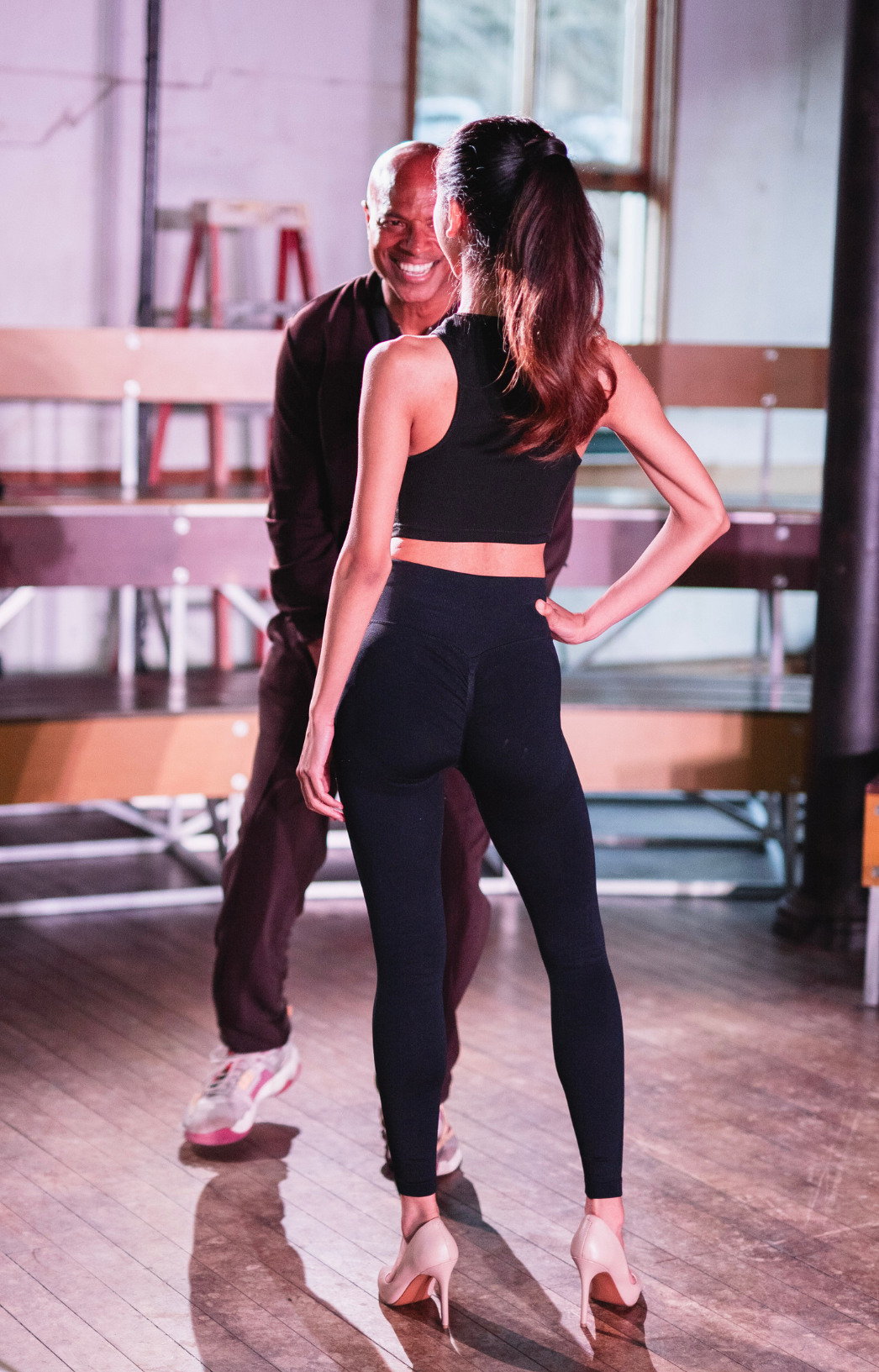
Pierce applies the same logic to his own career. Last year was, by his own accounting, his best yet: he modeled in Paris, Milan, and Italy, directed a show in New York, brought some of his students to walk alongside him, and landed lead roles in two films. "I didn't know I was going to do that," he admits. "I thought about some things, but to actually do it, to execute and to be a part of all that activity in the fashion world—that was something."
The Workshop
Every week, Pierce holds a talent workshop in San Francisco that functions as part acting class, part runway training, part life coaching session. Students range from teenagers to octogenarians, from size zero to plus-size, from complete novices to working models looking to refine their craft.
"I have shows with women, people that were in wheelchairs," Pierce says, ticking off examples. "Eighty-year-old women. Ninety-year-old men. Senior citizens. I've worked with thousands and thousands of people. And I believe in them because I believe in myself."
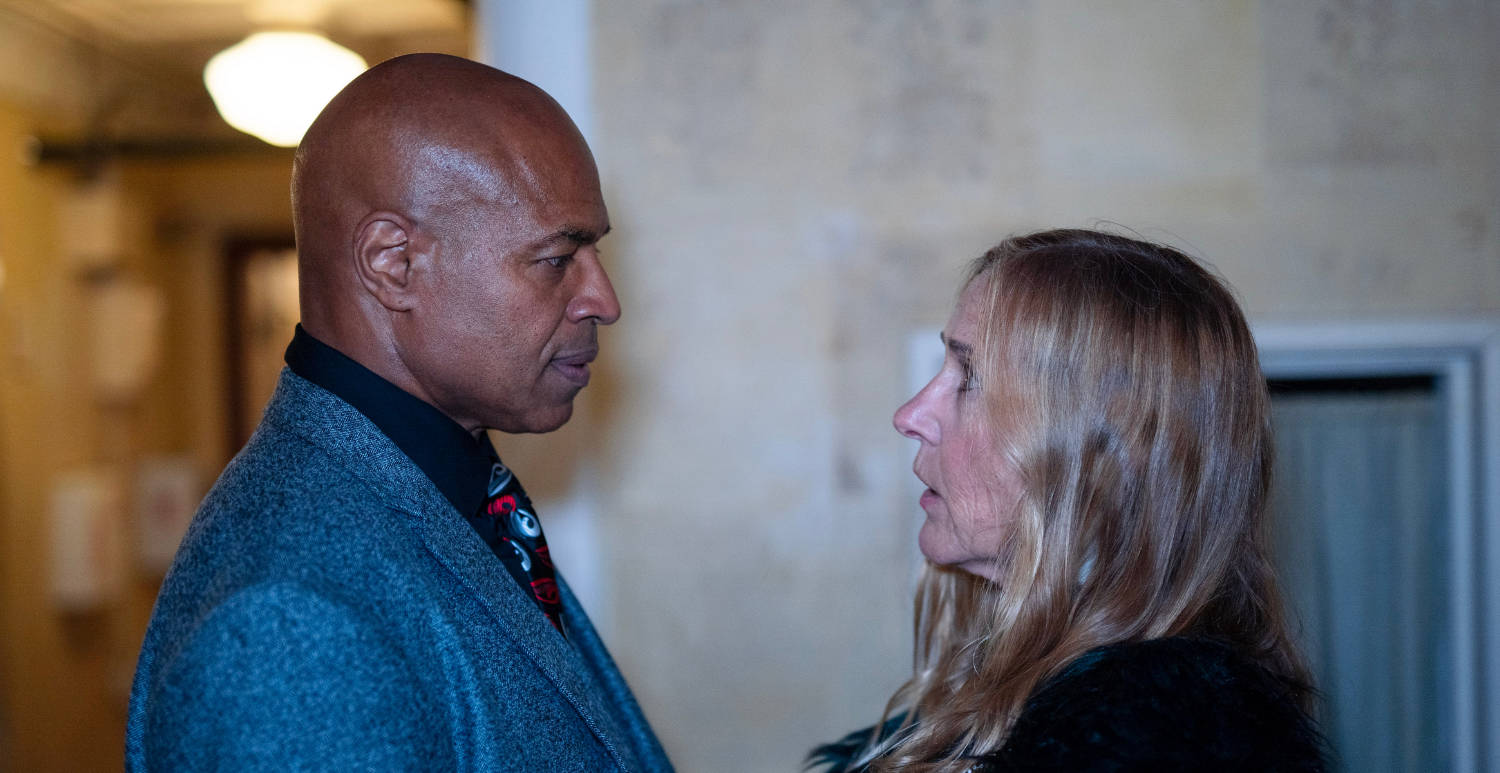
The workshop is where Pierce's various identities—model, actor, director, pastor, survivor—converge into something singular: a space where transformation is not just possible but expected. "When you're coaching people, you're coaching yourself," he reflects. "When you're directing people, you're directing yourself. You're asking yourself, 'What am I doing? How am I coming across?'"
His students learn more than how to walk or pose. They learn discipline—Pierce himself trains daily, running bleachers and doing water aerobics. They learn resilience—stories about Pierce's own rejections and failures are folded into the curriculum. And they learn that fashion, at its best, is democratic.
There's a designer for every type of model in the world. There's a designer looking for you.
"There's a designer for every type of model in the world," Pierce insists. "There's a designer looking for you. You can't say that nobody likes you or your look is not marketable. If you really want to do something and you go out there, you'll find it eventually. It might take you longer than somebody else, but it's okay if you're doing it for the right reasons."
The Mission
What drives a man in his sixties to maintain the discipline of someone half his age? To run stairs every day, to say no to alcohol and sweets for entire months, to continue taking dance classes and voice lessons and acting workshops?
For Pierce, it's about more than vanity or career longevity. It's about mission. He works with foster children, with kids from the Tenderloin, with teenagers who have "stories that will break your heart."
There's no bad kids. There're kids that either they know better or they don't. They had support or they didn't.
"I used to think that there were bad kids," he says. "There's no bad kids. There's kids that either they know better or they don't. They had support or they didn't."
This belief in second chances—or third, or fourth—comes from his own life. He's been pulled over by police with guns drawn. He's been called the N-word. He's been propositioned, taken advantage of, put in situations where he had to "fight my way out of." He could have let any of these experiences embitter him. Instead, they've made him more determined to be a force for good.
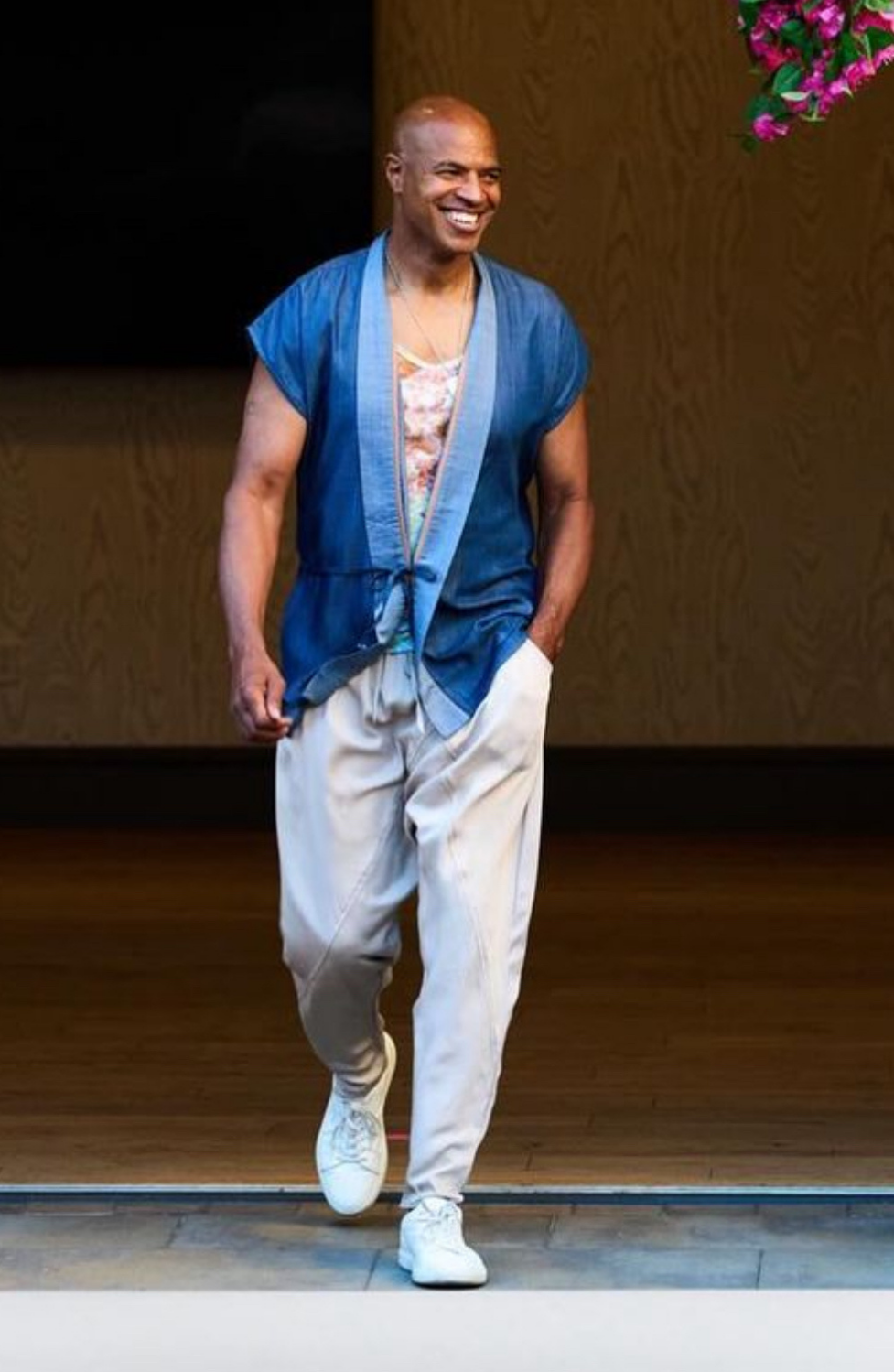
"We're in a very, very fragile time in life," Pierce says, and he's not just talking about the fashion industry or even American culture. He's talking about humanity itself. "There's a lot of great things always happening. But then there's a lot of things that are happening that are not so great. Not so great. Troubling."
His response is to double down on kindness, on mentorship, on showing up. "Can we find common ground?" he asks. "Can we reason together? Can we lift each other up? Can we cook together? Can we dance together? Can we play sports together?"
These aren't rhetorical questions. They're the framework for how Pierce moves through the world.
The Legacy
As our conversation winds down—it's gone on for hours, touching on everything from the Bible to basketball to AI's threat to the modeling industry—I ask Pierce what advice he would give his younger self, that kid growing up in Hunter's Point who didn't think he'd survive.
The things that I suffered, the things that challenged me, the things I didn't want to go through, has helped me to be me.
He's quiet for a long moment, considering. "I don't really know," he finally says, "because the things that I suffered, the things that challenged me, the things I didn't want to go through, has helped me to be me."
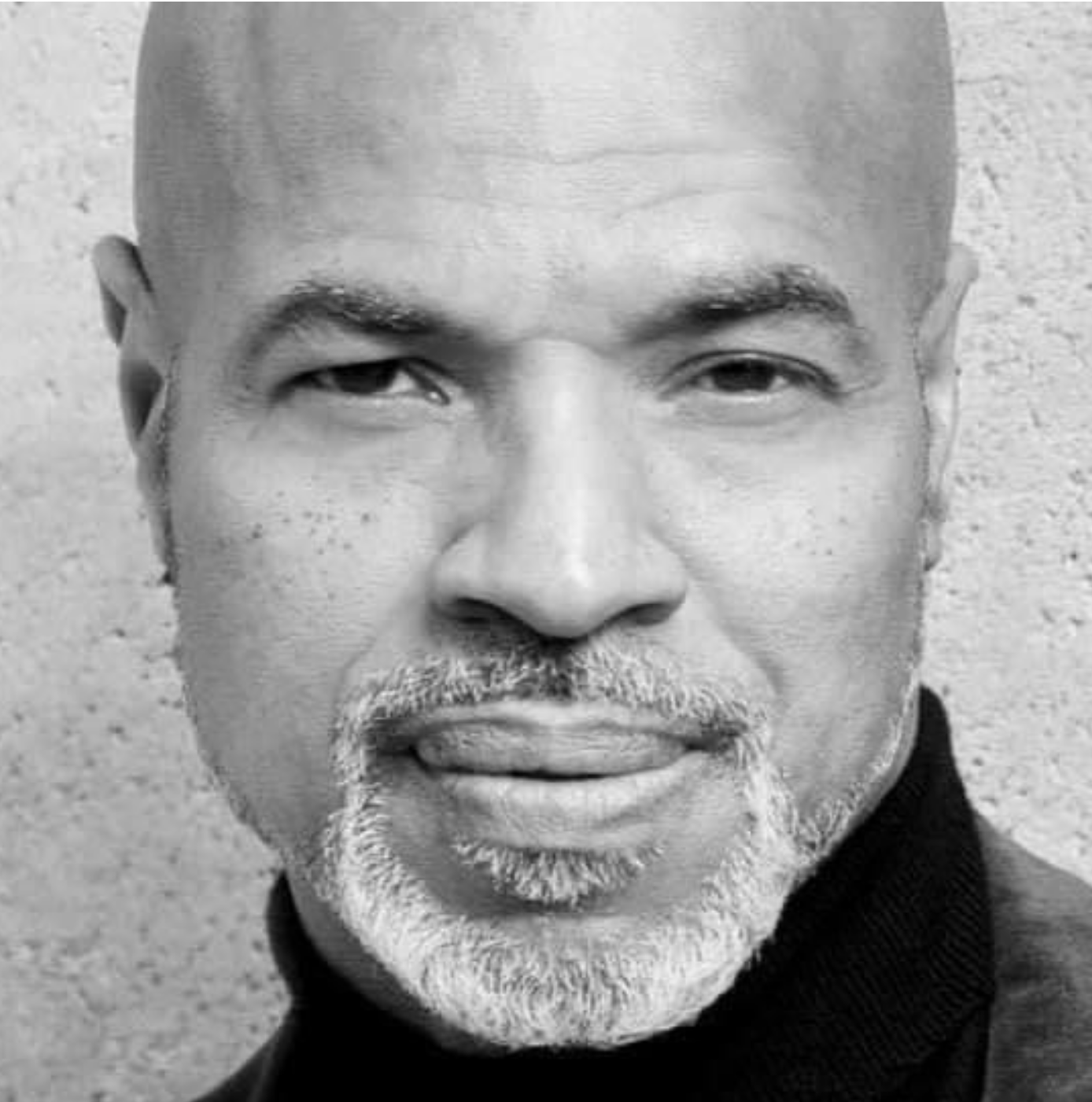
It's a profound answer, one that speaks to a hard-won wisdom. Pierce isn't interested in erasing his pain or pretending the journey was easier than it was. The trauma, the rejection, the mistakes—they're all part of the alchemy that transformed a kid from a contaminated neighborhood into a man who radiates grace.
All things are possible," he says, and it's not just a platitude. It's the thesis statement of his life. "Even when it seems like it's not. Like, there's going to be times you want to give up and you might say, 'I give up.' But if you're supposed to do something, if you have a calling on your life, if you're supposed to be a certain person—whether it's a technician, a doctor, a lawyer, a police officer, whatever you're supposed to be, a teacher, director, a model, whatever you're supposed to be—if you live your life tothe best of your ability, that opportunity is going to present itself."
He stands, straightening his suit jacket. Even this simple gesture carries intention, presence. "So the fact that I do work out and take care of myself," he continues, "I was playing basketball in LA and a director-producer from the show 'Alias' saw me at the YMCA in LA and asked me to try out for his show because he liked my energy."
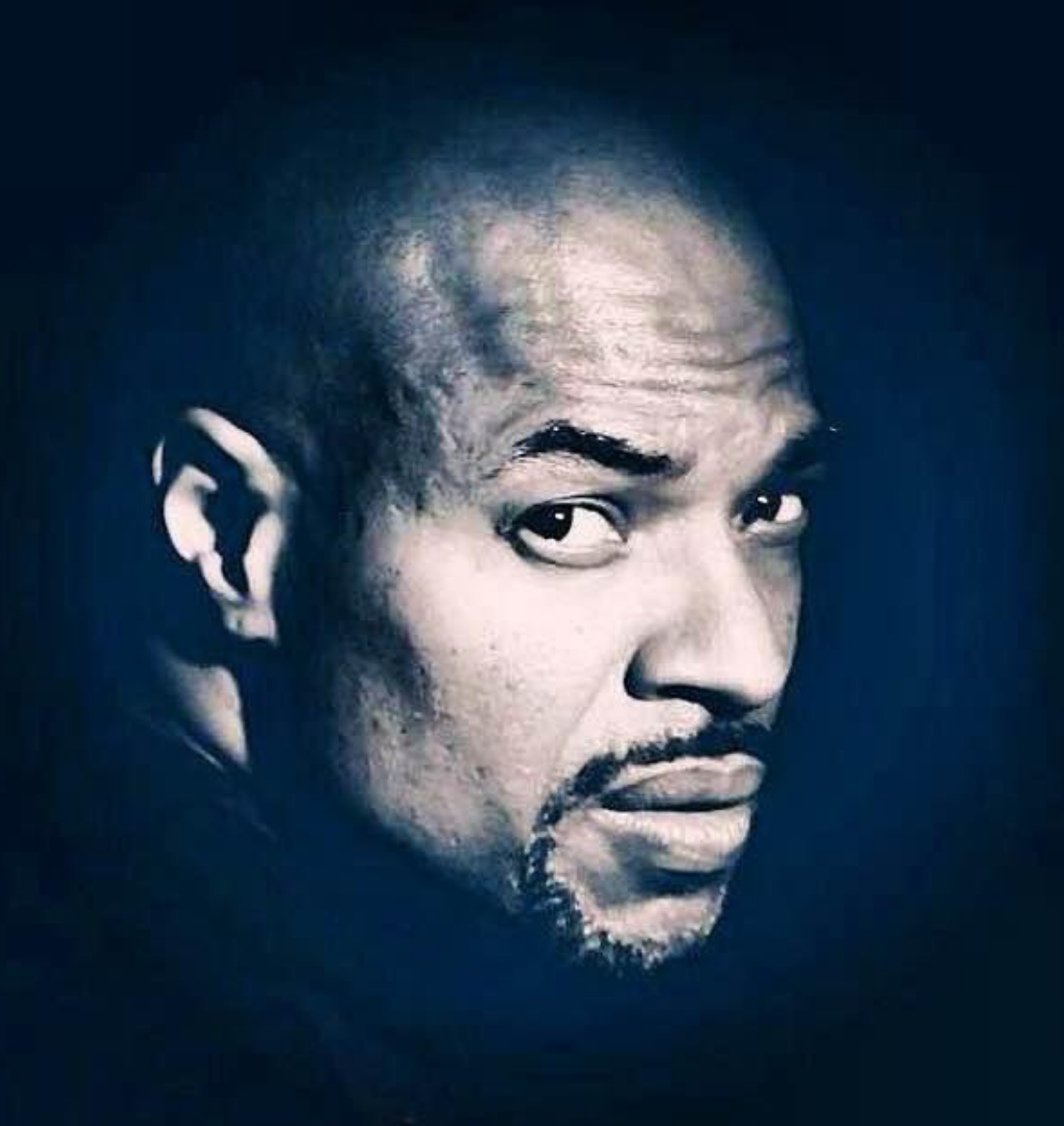
The story could be read as luck, as being in the right place at the right time. But Pierce knows better. Luck favors the prepared, the disciplined, the ones who show up ready even when they don't know the opportunity is coming.
As I watch him leave—heading straight to the basketball court, he mentions—I think about the phoenix metaphor that's been running through my head all afternoon. Charleston Pierce rose from the ashes of Hunter's Point, yes. But more than that, he's spent his life helping others do the same.
That's not survival. That's transcendence.
Charleston Pierce's talent workshop meets regularly in San Francisco. His book, "Starwalk," is available through his website. He is currently in production on two films and continues to model internationally.