Breaking the Code: Elena Shao's Journey from Nanjing to Silicon Valley's Upper Echelon
How a girl who dreamed of modeling became one of tech's most powerful executives—without losing her sense of style.
By Ava Reid for Sublime Avenue Magazine
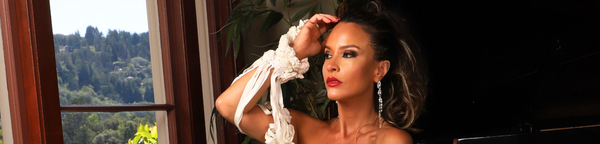
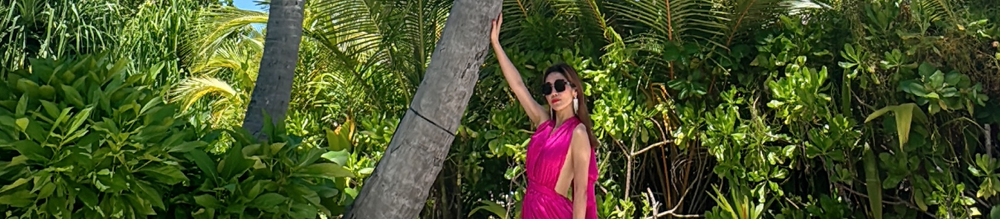
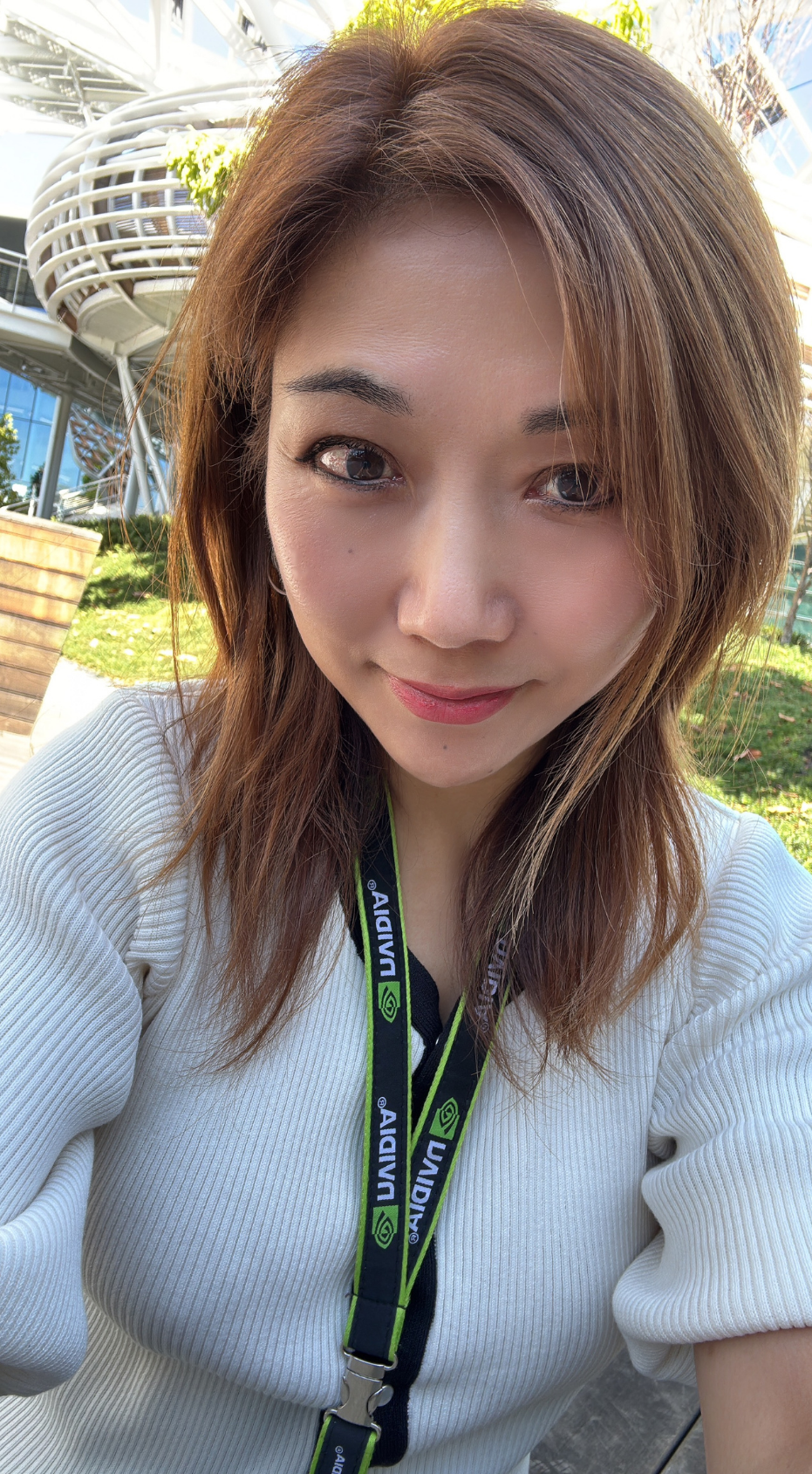
There's a particular brand of surprise that flickers across people's faces when they first meet Elena Shao. Perhaps it's the impeccably tailored ensemble, or the way she moves through a room with the grace of someone who spent years perfecting salsa choreography.

Whatever the reason, they don't immediately peg her as an electrical engineer—let alone a senior director at Nvidia overseeing a team of 550 people working on CUDA, the technology that has become the backbone of the AI revolution.
"A lot of people think I'm either HR or marketing," Shao says with a knowing smile, speaking from her home in the Bay Area. "But then when I start speaking with them and they find I have a lot of content to speak about, they're very surprised."
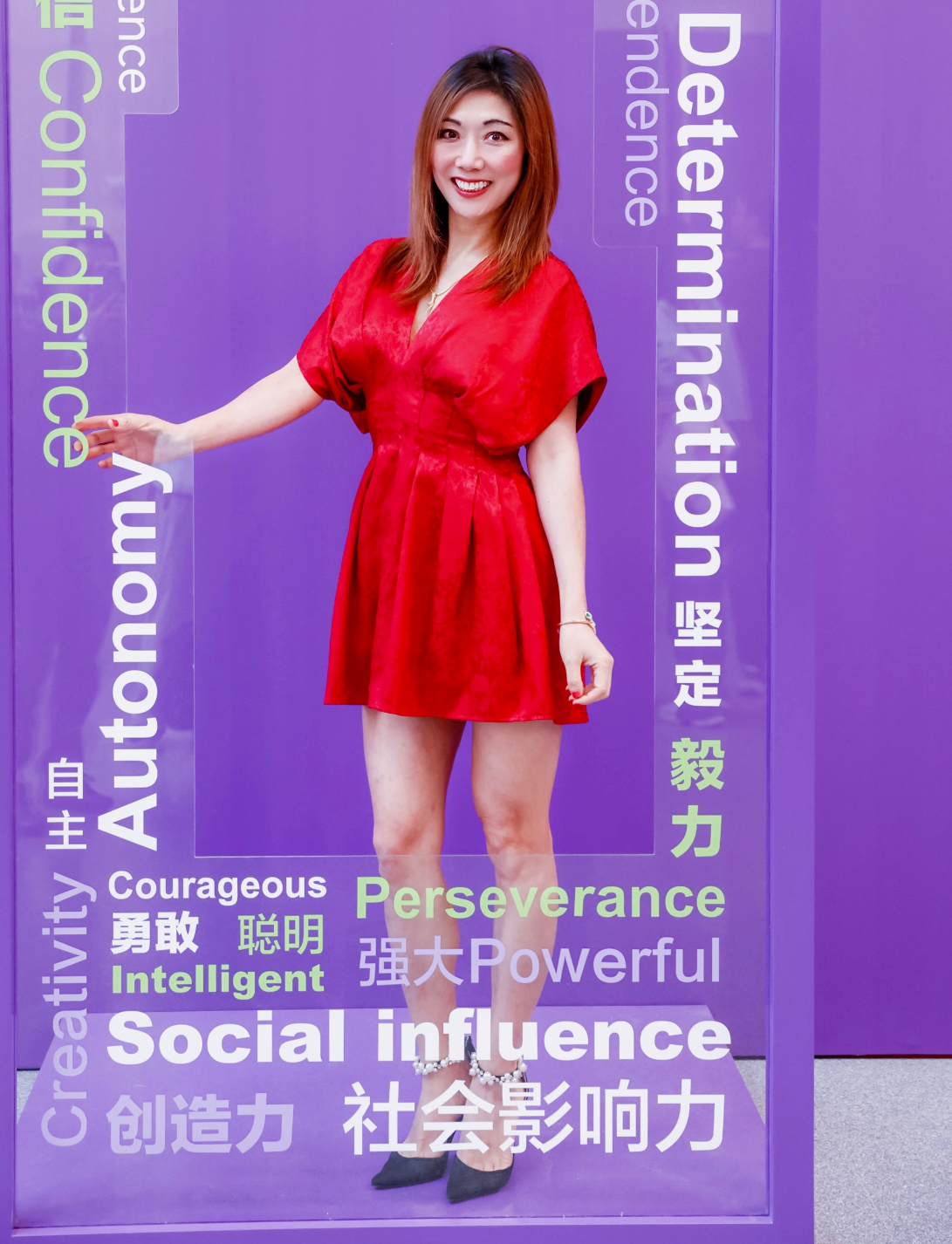
We can be beautiful outside and intelligent, smart, beautiful inside as well," she insists. "It doesn't have to be either or.
It's a misconception she's spent her career dismantling—the tired stereotype that female engineers must choose between competence and style, between technical brilliance and aesthetic expression. "We can be beautiful outside and intelligent, smart, beautiful inside as well," she insists. "It doesn't have to be either or."
The Reluctant Émigré
Shao's story begins in Nanjing, the ancient capital of China, where ten dynasties once ruled and where, in 1993, a high school student found herself boarding a plane to Perth, Australia—not entirely by choice. "I didn't really want to leave China," she admits. "I was in a great top school in Nanjing and had a great prospect going to university there."
But her mother, who had studied English in the 1970s and developed a fascination with Western culture, had different plans. She saw opportunities abroad that China couldn't yet offer. "I couldn't really say no to mom," Shao recalls. So at sixteen, she found herself arriving in Perth, the only Asian student in her entire high school.
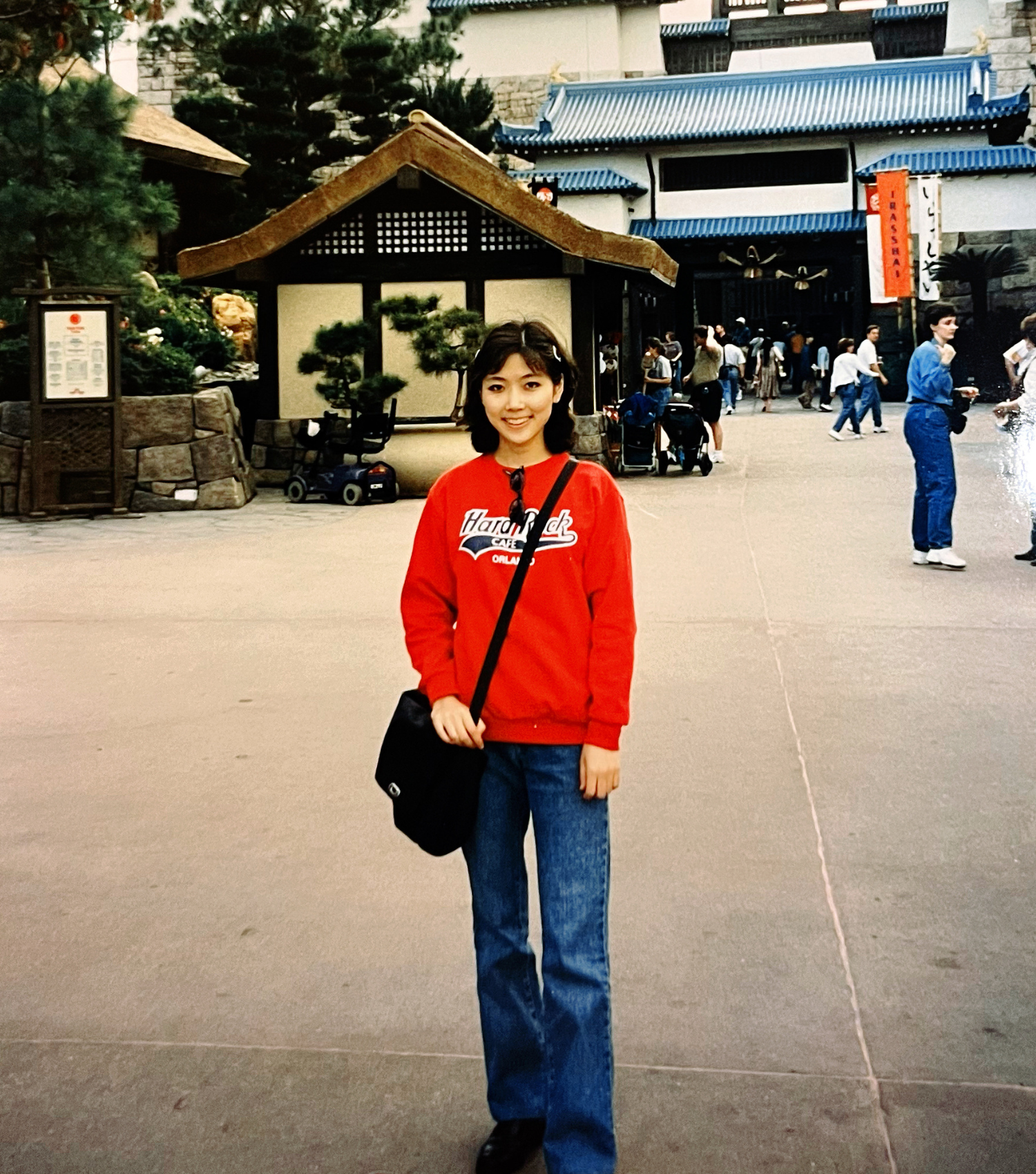
The isolation might have derailed someone less determined. Instead, Shao thrived. Her foundation in mathematics, chemistry, and physics from the rigorous Chinese education system gave her an edge. "It was fairly easy for me to cruise through high school. I didn't really have to put too much effort." She graduated as the top student.
At the University of Western Australia, she chose electrical engineering—the pragmatic choice from the limited menu her mother offered. "Doctor, I can't see blood. I see blood, I start shivering and fainting," she laughs. "And lawyer—English is not my first language. So engineering was the natural choice."
It was during her freshman year, in that first week of university life, that she met Thomas, a Swiss PhD candidate who had chosen Australia for its warm weather. They've been together ever since—a partnership that would later prove essential when Shao faced her toughest balancing act.
The Silicon Valley Gamble
By 2000, Shao had completed a double degree and was ready for the next chapter. Thomas had already moved to Silicon Valley, swept up in the dotcom frenzy where, as Shao puts it, "money was lying around, a lot of startups and everything." She followed, joining a twenty-person startup where she did everything from technical marketing to customer support to IT infrastructure.
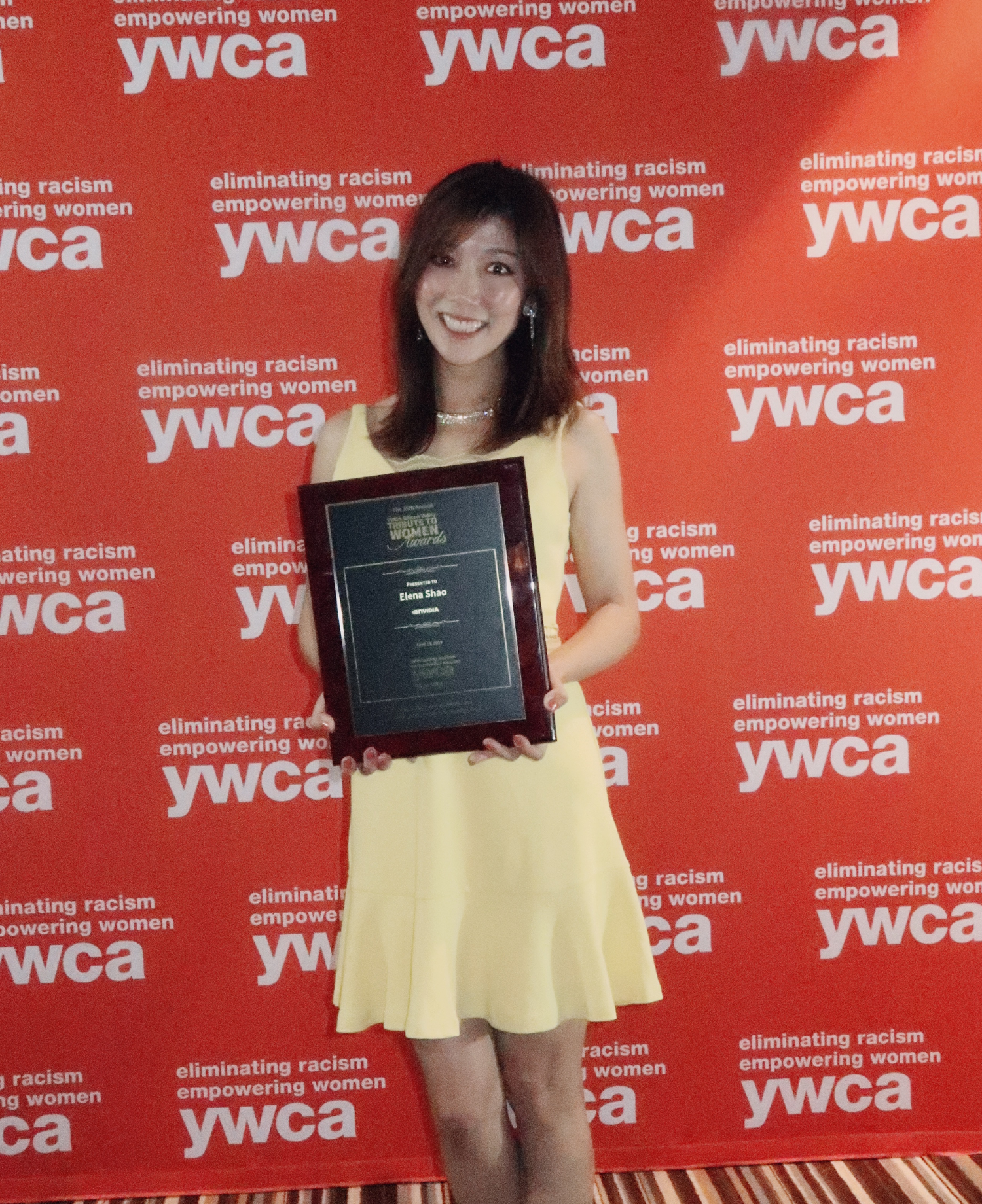
What do I get to lose? Worst case, if I feel myself not suitable, I can move back to engineer.
"I learned a lot," she reflects. "But I felt the company wasn't scaling up. I needed a bigger platform." In 2005, she applied to Nvidia—then known primarily for graphics cards, not yet the trillion-dollar titan it would become. She started as a regular engineer in the chipset division, working on networking technology.
Six months later, her manager made an unusual offer: would she lead a team of ten to fifteen people, all more senior than her?
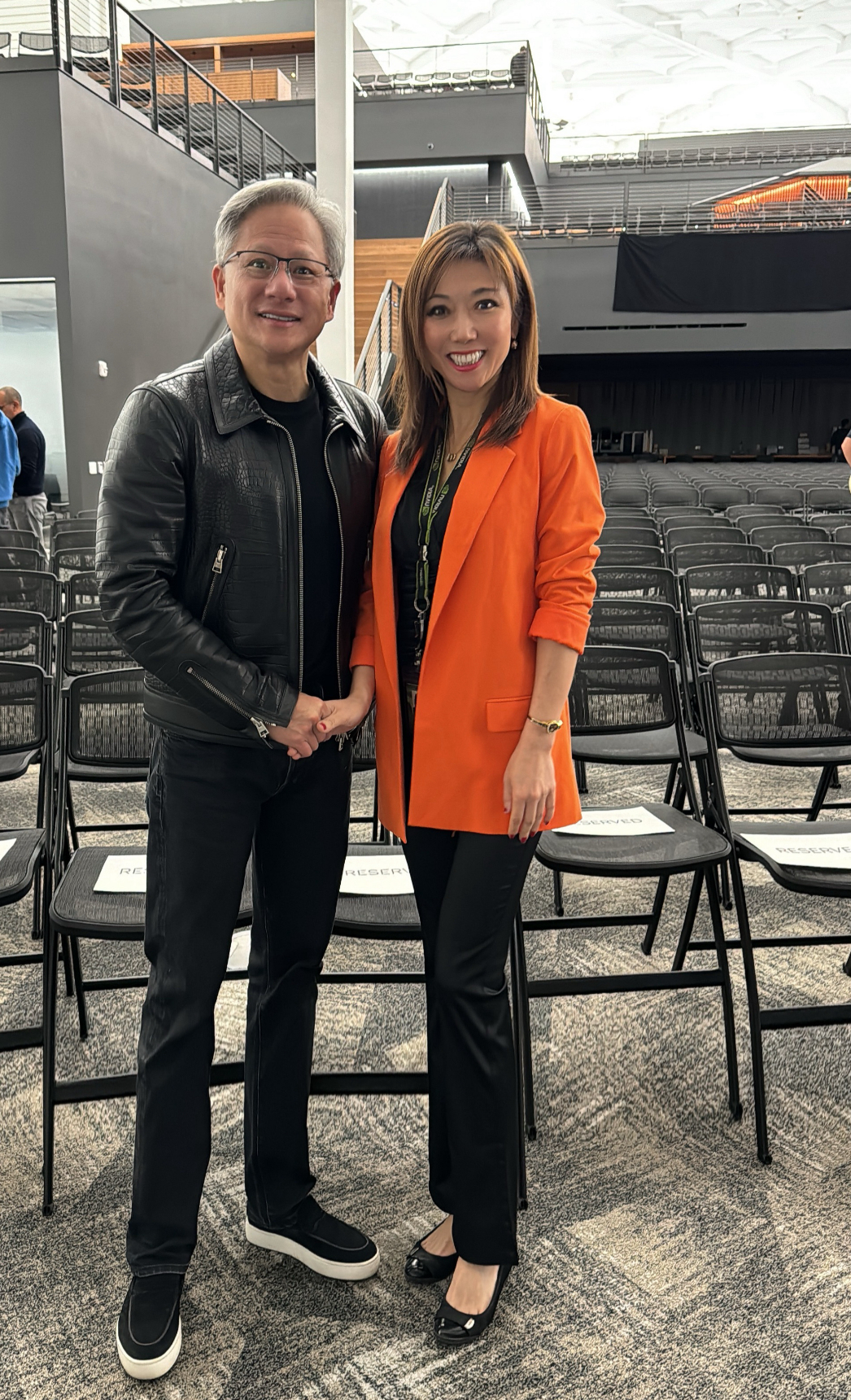
"I was a little bit surprised," Shao recalls.
"I said, 'I'm not sure. My years of experience comparing to some team members is fairly junior.'" But her manager saw something she hadn't yet recognized in herself. After thinking it over, she accepted. "What do I get to lose? Worst case, if I feel myself not suitable, I can move back to engineer."
She never looked back.
The CUDA Gamble
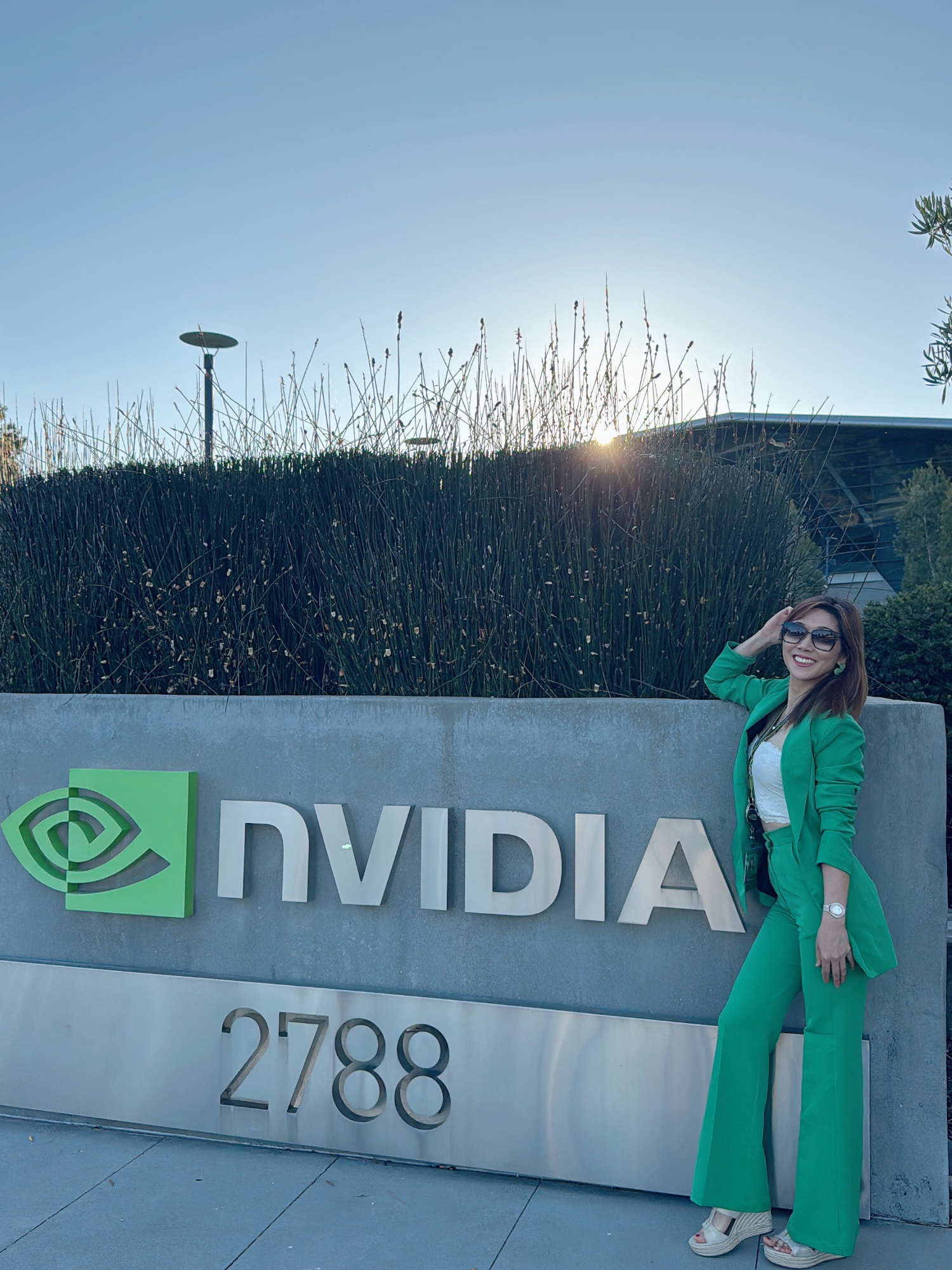
When Nvidia shut down its chipset business unit following a lawsuit with Intel, Shao faced uncertainty along with a thousand other employees. But a VP approached her with an intriguing proposition: would she move her team to support something called CUDA—a nascent technology, not even at version 1.0, that would allow developers to harness the power of GPUs for general computing?
"I didn't really know what CUDA was," Shao admits. "It wasn't my background." But she invested herself completely—developing test strategies, building CI/CD frameworks, and establishing standardized workflows that would later allow her team to scale globally.
The timing proved prescient. Seven or eight years later, machine learning and deep learning exploded, built on the foundation of CUDA. Then came the AI boom of recent years. "My team, the work that we do, became the center of growth for the company," she says. Her team expanded from fifteen people to 550, with operations in China, Vietnam, and beyond.
If I do something, I want to excel at it—whether it's work or dancing or anything. I don't like to half-ass it.
It's the kind of exponential success that looks inevitable in retrospect but required what Shao calls her guiding philosophy: "If I do something, I want to excel at it—whether it's work or dancing or anything. I don't like to half-ass it."

The Two-Career Household
But success at work came with complications at home. When Shao had her second child, Stefan, the pressure became overwhelming. "I was considering being a stay-at-home mom because it was too much—two kids and that busy career."
Thomas told her he would support whatever decision she made, but he knew something she was too exhausted to see: she wouldn't be happy giving up her career. They made a pact to share the load. "I'm glad I stuck with it," she says now, though she's quick to add: "It wasn't easy."
The challenges extended beyond logistics. "In my earlier career, it was hard for me to consciously make that decision of switching from work mode to family home mode," she reflects. "That caused some conflict with my kids and my husband." She learned, gradually, that the commanding presence required at work needed to soften at home.
"At home, I let Thomas make all the decisions. It doesn't really bother me. It takes some time to realize that though."
It's not because we don't trust the guy. It's for your own self-esteem, your self-pride.
Her daughter Kristina, now twenty-two and studying business at NYU with plans for law school, has absorbed her mother's most important lesson: independence. "As a woman, we want to be independent. You may have a good, supportive husband, but still you need to be independent, have your own career and be financially independent," Shao emphasizes. "It's not because we don't trust the guy. It's for your own self-esteem, your self-pride. And it's good for a marriage because when you have more equality, when you both bring things into the family, it's just a much more.
Breaking Stereotypes, One Outfit at a Time
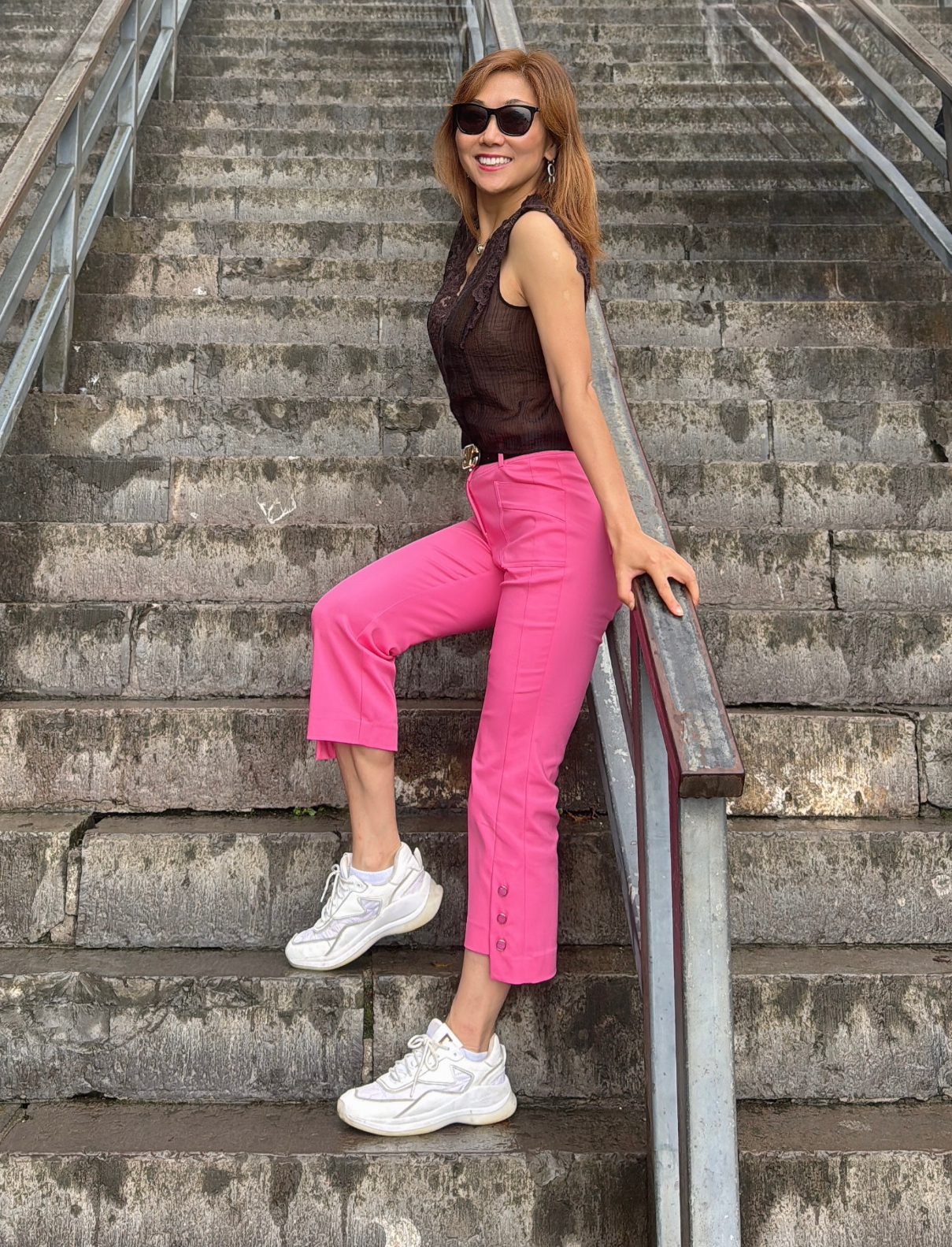
Shao's office might be filled with the latest developments in AI infrastructure, but her closet tells a different story—one of cultural celebration, bold color choices, and an unapologetic embrace of femininity. "Since I was little, I was always very much into fashion," she says. "At one point, I really wanted to be a model, but when I was in middle school, I was only like five-one. I was like, okay, modeling ain't gonna happen for me. I gotta study—that's the other way out."
But the passion never left. Today, she approaches fashion with the same thoughtfulness she brings to building global engineering teams. There's no single designer she favors; instead, she curates looks based on occasion, mood, and meaning. For her birthday celebrations, she might ask guests to wear rabbit ears to honor the Chinese zodiac. For work events, she might choose something that showcases her heritage. "There are different occasions that call for different things," she explains.
When music starts, to express my feeling and emotions through my body along with music—that really makes me feel something.
When she's not optimizing CUDA's quality assurance frameworks, you'll find Shao on the dance floor—salsa, bachata, ballroom, lindy hop, whatever the music demands. "When music starts, to express my feeling and emotions through my body along with music—that really makes me feel something I don't experience doing other things. Not running, not yoga. Dancing for me is something very unique that makes me happy."

It's another way she refuses the false choice between substance and style. "There's no right or wrong way of dancing," she says. "You can dance any way you want as long as you feel good about it."
The View from the Top
Ask Shao about being a woman in tech, and she'll tell you she's been fortunate. "I haven't really experienced much bias in work just because I'm a woman," she says. At Nvidia, she found a culture that genuinely prizes performance above all else.
"It doesn't matter what color you are, what ethnicity, man or woman—performance is what we look at."
Still, she acknowledges the numbers. Even now, women remain scarce in leadership positions in tech, not because of discrimination but because there simply aren't as many women entering the field. She points to progress in STEM programs, where women now comprise forty to forty-five percent of students. "That's great progress," she says, though her own engineering class at the University of Western Australia had just four or five women out of three hundred students.
"By the first semester, every girl had a boyfriend already because there were so few of us," she laughs.
It doesn't matter what color you are, what ethnicity, man or woman—performance is what we look at.

Nvidia has invested in her development through partnerships with UC Berkeley's business school and Harvard leadership programs. Each nomination reinforced what that manager saw fifteen years ago: leadership potential that transcended conventional expectations.
Her son Stefan, she notes with amusement, turned out quite differently from typical Gen Z. "He listens to eighties music," she says. "He doesn't like rap and all this crazy music, EDM and all that. He likes old soul. He's more like a homeboy—he likes to stay home and doesn't like clubbing." More traditionally respectful and measured than his sister, Stefan recently chose to take a break from academics after finishing his bachelor's degree, opting to work before pursuing graduate school. It's a decision Shao supports, even if years ago she might have pushed differently. "If it were years ago, I would be 'no, no, you got to go do master or PhD.' But this time I said, okay, do what feels right at this moment."
Looking Forward
In January, Shao will travel to Vietnam to visit the newest branch of her ever-expanding team, attending the Lunar New Year celebration at Nvidia's first office there. It's the result of months of remote interviewing, hiring, and training—applying the standardized workflows she developed years ago when CUDA was just a bet, not a sure thing.
She's still hiring, still building, still pushing to close twenty-six open positions before the fiscal year ends. The work never stops, but neither does her commitment to doing it well—and doing it on her own terms.
"We need to break that stereotype," she says firmly. "We can be beautiful outside and intelligent, smart inside. We don't have to choose."
As Silicon Valley hurtles into an AI-powered future built on the technology her team helps perfect, Elena Shao stands as living proof: the best engineering minds don't fit a single mold. They salsa dance. They curate cultural celebrations. They learn to code-switch between boardroom authority and domestic harmony. They measure success not just in lines of code or team headcount, but in the ability to excel at everything they choose to do.
And they never, ever half-ass it.

Connect with Elena Shao on LinkedIn for speaking opportunities, collaborations, or career inquiries.